 Free Consultation
 Contact Us
Property Disputes in China: A Foreign Buyer's Complete Guide to Real Estate Rights Protection and Dispute Resolution in Guangxi

Purchasing real estate in China as a foreign national or foreign-invested enterprise involves navigating a legal system that differs fundamentally from Western property law. The distinction between state-owned land and privately owned buildings, the system of land use rights with finite terms, and the procedures for title registration and dispute resolution are all unique to the Chinese legal framework. This comprehensive guide, prepared by Nanning property disputes lawyer Wei Liu, explains the essential legal protections available to property owners and buyers in Guangxi and throughout China, and provides a practical roadmap for resolving property disputes when they arise.
The Legal Framework for Property Rights in China
Property rights in China are governed primarily by the Civil Code of the People's Republic of China (民法典), which came into effect on January 1, 2021, replacing the earlier Property Law (2007). The Civil Code's Property Rights Book (Book II, Articles 205-462) codifies the rules on ownership, usufructuary rights, security interests, and possession. Unlike many Western legal systems where land can be owned in fee simple absolute, in China urban land is owned by the state under Article 10 of the Constitution. Private parties acquire land use rights — typically 70 years for residential use, 50 years for mixed-use or industrial use, and 40 years for commercial use. Buildings and improvements constructed on the land can be owned privately, creating a bifurcated ownership structure that is frequently misunderstood by foreign buyers and can become the subject of legal disputes.
Understanding Land Use Rights
When you purchase a residential apartment in China, you acquire two distinct property interests. First, you own the apartment unit itself as private property under Article 266 of the Civil Code. Second, you acquire a share of the land use right for the land on which the building sits. The land use right has a finite term that runs from the date the developer acquired the land from the state. If the developer purchased the land in 2005 and you buy the apartment in 2025, only 50 of the original 70 residential years remain on the land use right. Under Article 359 of the Civil Code, residential land use rights are automatically renewed upon expiry, but the renewal fee framework remains subject to ongoing legislative and policy development. For commercial and industrial land use rights, renewal is not automatic and requires negotiation with the land administration authorities. This difference is critical for foreign investors considering commercial property acquisitions in Nanning or other Guangxi cities.
Common Property Disputes and Their Legal Remedies
Title and Registration Disputes
Under the Provisional Regulations on Real Estate Registration (2014) and the Civil Code, property rights in China are established through registration with the local Real Estate Registry. A properly registered title is conclusive evidence of ownership. Title disputes commonly arise when the developer fails to complete the initial registration, leaving buyers unable to obtain individual property certificates for years after purchase. In such cases, buyers may sue for specific performance to compel the developer to complete the registration process. Another common issue is double selling, where a developer sells the same property to multiple buyers. Under Article 577 of the Civil Code, the buyer who cannot obtain title may claim damages including the return of the purchase price, compensation for the lost opportunity to purchase equivalent property, and liquidated damages as specified in the contract. A third category involves undisclosed encumbrances — mortgages, liens, or other claims against the property that were not disclosed at the time of sale.
Construction Quality and Defect Claims
When a newly purchased property suffers from construction defects, the buyer has legal remedies under both contract law and tort law. Under the contract, the developer warrants that the property complies with the quality standards specified in the sale and purchase agreement and applicable construction codes. Common defect types include structural defects affecting the building's load-bearing elements, waterproofing failures causing leaks and water damage, electrical and plumbing system deficiencies, and finishing defects. The warranty period for structural elements is typically the design life of the building, while warranties for systems and finishes range from two to five years. If the developer fails to remedy defects within a reasonable time after notice, the buyer may claim damages measured by the cost of repair, obtain a court order for specific performance, or in severe cases seek rescission of the contract.
Commercial Leasing Disputes
Foreign companies leasing commercial space in Guangxi face a distinct set of legal issues. Under the Civil Code, a lease contract for more than six months must be in writing, and leases exceeding 20 years are void beyond the 20-year term. Common disputes include rent adjustment disputes where the lease contains no clear mechanism for periodic rent review, early termination disputes, subleasing disputes where the tenant sublets without the landlord's consent, and compensation for leasehold improvements upon lease termination.
Dispute Resolution Procedures
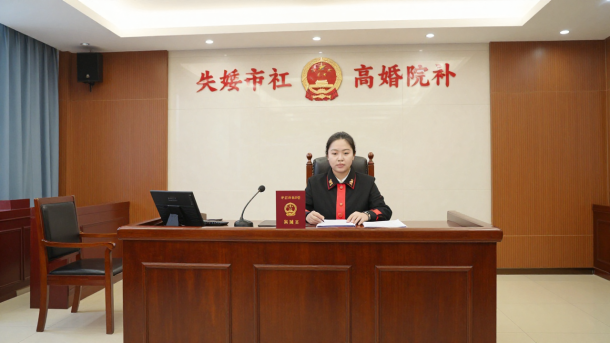
Property disputes in China may be resolved through several channels. The Nanning court system includes specialized real estate divisions in the district courts for claims up to RMB 5 million, with the Nanning Intermediate People's Court handling larger claims and appeals. Mediation is actively encouraged by Chinese courts through court-annexed mediation programs. The statute of limitations for property claims is three years from the date the right holder knew or should have known of the infringement (Civil Code Article 188). The maximum limitation period is 20 years from the date of the infringement.
Practical Steps for Protecting Your Property Rights
- 📜 Conduct thorough due diligence before purchase. Engage a lawyer to search the property registry for encumbrances, verify the developer's licenses and permits, and review all contract documents before signing.
- 📜 Document the condition of the property at transfer. Commission a professional inspection and photograph all visible defects. Keep copies of all closing documents.
- 📜 Act promptly if problems arise. The three-year statute of limitations runs from the date you discover or should have discovered the problem. Delaying action can forfeit your legal rights.
- 📜 Preserve all evidence. Keep every document, email, and communication related to the transaction.
- 📜 Seek legal advice early. A consultation with a qualified property lawyer before taking any formal action can help you understand your options.
Real estate is typically the largest single investment a person or business will make. In China, where the property legal framework combines features of both civil law and socialist land ownership principles, professional legal guidance is not a luxury — it is an essential safeguard for protecting your investment.
If you are facing a property dispute in Nanning or elsewhere in Guangxi, Attorney Wei Liu offers free initial consultations to evaluate your case and advise on the best path forward. With 11 years of experience in property law and fluency in both Chinese and English, he is well positioned to assist foreign and domestic clients alike.

Feel free to send us an email or drop a call for free consultation.