 Ask A Lawyer
 Contact Us
Setting Up a WFOE in Zhengzhou: Foreign Investment Approvals and Common Pitfalls

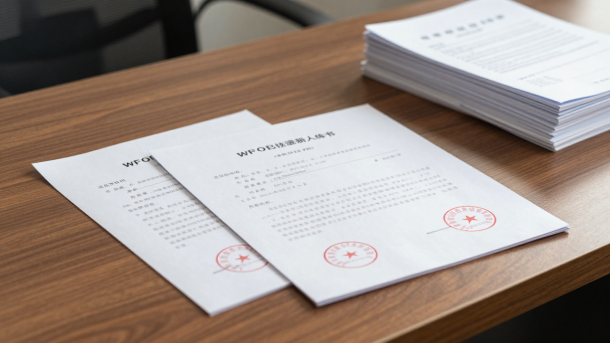
Foreign companies expanding into central China frequently choose Zhengzhou for logistics connectivity and manufacturing depth. A wholly foreign-owned enterprise remains a common vehicle, but formation is not a single form—it is a chain of scope design, capital planning, registration, banking, and post-setup compliance.
Legal Framework for Foreign Investment
The Foreign Investment Law and its implementing rules set the national framework. Market access is filtered through the Negative List: sectors not listed are generally open under national treatment principles, while restricted activities may require joint ventures, share caps, or additional licenses. Before drafting articles of association, map the intended business scope line by line against the current Negative List and any free trade zone or bonded area policies relevant to Zhengzhou operations.
Entity Choice and Business Scope
Investors compare WFOE, joint venture, and representative office options. A representative office cannot manufacture or trade in the same way as a company. A WFOE can hire staff, sign contracts, and invoice, but only within a registered scope that market regulation authorities accept. Over-broad scopes invite questions; over-narrow scopes force amendments when the business pivots.
- ⚖️ Confirm whether industry licenses (food, medical devices, telecom-related, education, etc.) attach after company registration
- 📜 Align English investment memos with Chinese business scope wording
- 💼 Decide early whether e-commerce, import-export, or after-sales services must appear explicitly
Capital, Banking, and Contribution Timing
Registered capital and contribution schedules must be realistic. Counterparties and some licensing bodies still scrutinize capital adequacy even where paid-in timing is flexible under company law reforms. Open RMB basic accounts and foreign capital accounts in the correct sequence so capital can land lawfully. Mismatched investor names between passport, bank KYC, and registration packages are a leading cause of delay.
Leases and Premises
Many investors try to sign factory leases before the company exists. Use provisional arrangements carefully and replace them with company-signed leases after registration. Premises certificates and landlord cooperation letters may be required for certain licenses. Zoning and environmental assessments matter for production projects.
Governance Documents That Prevent Later Deadlock
Even for a single-investor WFOE, internal rules on legal representative authority, chop custody, and contract approval thresholds reduce fraud and rogue signing risk. For multi-investor structures, board composition, veto lists, information rights, IP ownership of improvements, and exit mechanisms should be negotiated before money moves—not after trust erodes.
A bilingual articles package is only useful if both language versions are controlled by a clear prevailing-language clause and a reconciliation process for discrepancies.
Post-Registration Compliance in Henan Practice
After the business license is issued, complete tax registration, social insurance setup, beneficial ownership or related disclosures as required, and internal chop management. Annual reporting obligations continue. Related-party transactions with the overseas parent need documentation discipline for both tax and customs valuation if goods move across borders through Zhengzhou logistics channels.
Employment and Expatriate Staff
Hiring local staff requires written labor contracts and social insurance compliance. Foreign executives need work authorization before performing employment duties in China. Secondment letters from headquarters should not contradict the Chinese employment contract on salary, termination, or IP assignment.
Disputes and Exit Planning
Supplier, distributor, and landlord disputes are common in the first two years. Preserve contracts, delivery records, and quality inspection reports. If the project winds down, follow company law dissolution and liquidation steps rather than abandoning the entity, which can create credit and personal liability issues for the legal representative.
Action steps: (1) run a Negative List and licensing map for your exact scope; (2) prepare bilingual formation packs with consistent names; (3) set chop and contract authority rules on day one. For a structured review of a Zhengzhou WFOE plan, consult a China foreign investment lawyer with your draft scope and investment budget.
Document Checklist Foreign Parties Often Underestimate
Cross-border matters fail more often from missing stamps and inconsistent bilingual names than from abstract legal theory. Keep a working file with corporate registration extracts, passport biodata pages, board resolutions, and a timeline of notices already sent.
- ⚖️ Certified translations prepared by translators acceptable to the receiving authority
- 📜 Originals versus copies clearly labeled for hearing packages
- 💼 Chop logs showing who sealed which version of a contract
Procedure and Timelines
Chinese administrative and judicial timelines are statute-driven. Missing a limitation period or response window can close an otherwise strong claim. Build calendars for arbitration filing, administrative reconsideration, and evidence exchange rather than relying on informal assurances from counterparties.
Practical rule: treat every WeChat instruction that changes price, delivery, or employment terms as a potential exhibit—export it with timestamps before devices are replaced.
Risk Allocation Without Overpromising
Counsel can map statutory remedies and negotiation leverage; counsel cannot guarantee a specific court or arbitration outcome. The productive approach is to quantify downside scenarios, preserve evidence early, and choose forums that match enforceability needs for assets located in China or abroad.
| Step | Purpose |
| Evidence freeze | Stop spoliation of chats, emails, ledgers |
| Forum check | Court vs arbitration vs administrative path |
| Settlement band | Define walk-away numbers before talks |
Working With Local Counsel and Headquarters
Foreign headquarters often need English decision memos while local teams execute Chinese filings. Align on who has authority to settle, who holds chops, and which version of a bilingual contract controls. Conflicting instructions between parent and subsidiary create avoidable exposure.
- 🛡️ Single point of contact for regulators
- 📋 Weekly status notes with deadlines in China time
- 🗂️ Version control for bilingual drafts
Document Checklist Foreign Parties Often Underestimate
Cross-border matters fail more often from missing stamps and inconsistent bilingual names than from abstract legal theory. Keep a working file with corporate registration extracts, passport biodata pages, board resolutions, and a timeline of notices already sent.
- ⚖️ Certified translations prepared by translators acceptable to the receiving authority
- 📜 Originals versus copies clearly labeled for hearing packages
- 💼 Chop logs showing who sealed which version of a contract
Procedure and Timelines
Chinese administrative and judicial timelines are statute-driven. Missing a limitation period or response window can close an otherwise strong claim. Build calendars for arbitration filing, administrative reconsideration, and evidence exchange rather than relying on informal assurances from counterparties.
Practical rule: treat every WeChat instruction that changes price, delivery, or employment terms as a potential exhibit—export it with timestamps before devices are replaced.
Risk Allocation Without Overpromising
Counsel can map statutory remedies and negotiation leverage; counsel cannot guarantee a specific court or arbitration outcome. The productive approach is to quantify downside scenarios, preserve evidence early, and choose forums that match enforceability needs for assets located in China or abroad.
| Step | Purpose |
| Evidence freeze | Stop spoliation of chats, emails, ledgers |
| Forum check | Court vs arbitration vs administrative path |
| Settlement band | Define walk-away numbers before talks |
Working With Local Counsel and Headquarters
Foreign headquarters often need English decision memos while local teams execute Chinese filings. Align on who has authority to settle, who holds chops, and which version of a bilingual contract controls. Conflicting instructions between parent and subsidiary create avoidable exposure.
- 🛡️ Single point of contact for regulators
- 📋 Weekly status notes with deadlines in China time
- 🗂️ Version control for bilingual drafts
Document Checklist Foreign Parties Often Underestimate
Cross-border matters fail more often from missing stamps and inconsistent bilingual names than from abstract legal theory. Keep a working file with corporate registration extracts, passport biodata pages, board resolutions, and a timeline of notices already sent.
- ⚖️ Certified translations prepared by translators acceptable to the receiving authority
- 📜 Originals versus copies clearly labeled for hearing packages
- 💼 Chop logs showing who sealed which version of a contract
Procedure and Timelines
Chinese administrative and judicial timelines are statute-driven. Missing a limitation period or response window can close an otherwise strong claim. Build calendars for arbitration filing, administrative reconsideration, and evidence exchange rather than relying on informal assurances from counterparties.
Practical rule: treat every WeChat instruction that changes price, delivery, or employment terms as a potential exhibit—export it with timestamps before devices are replaced.

Feel free to send us an email or drop a call for free consultation.