
 Ask A Lawyer
 Contact Us
Wrongful Termination in China: Understanding Your Rights to Compensation (2n Rule)
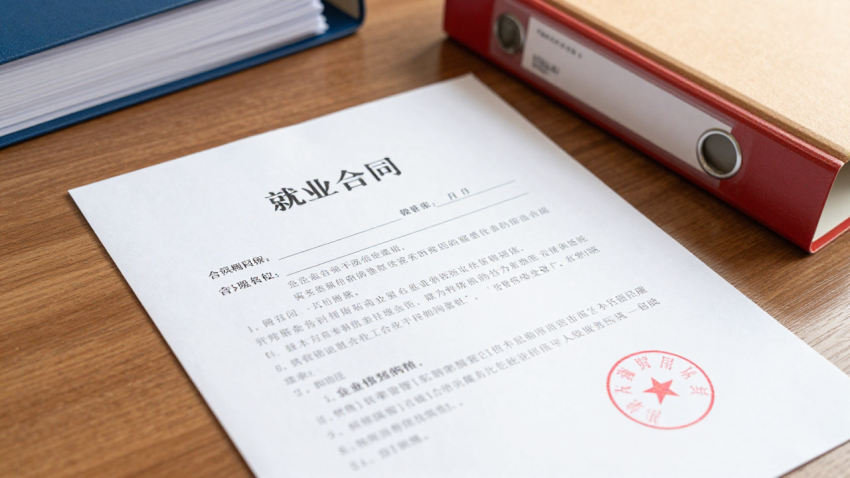
Understanding Wrongful Termination Compensation Under Chinese Labor Law
When an employer unlawfully terminates an employment contract, Chinese labor law provides strong protections for employees. Understanding the calculation of compensation is essential for both employers and employees navigating termination disputes in China.
Legal Standard for Wrongful Termination Compensation
Under Chinese labor law, when an employer unlawfully terminates a labor contract, the employee is entitled to compensation calculated at twice the statutory economic compensation — commonly referred to as "2n." The standard economic compensation ("n") is based on the employee's length of service and average monthly wage.
Article 87 of the Labor Contract Law: Where an employer terminates a labor contract in violation of the law, it shall pay compensation equal to twice the statutory economic compensation.
How "n" Is Calculated
The statutory economic compensation ("n") is calculated as follows:
- 📅 One month's wages for each full year of service
- 📊 For periods between six months and one year: calculated as one year
- 📏 For periods less than six months: half a month's wages
The monthly wage used for calculation is the employee's average monthly wage for the 12 months preceding termination.
When Termination Is Not Wrongful
Not all terminations qualify as wrongful. Employers may lawfully terminate without compensation when employees commit serious violations of company rules, are criminally liable, or cause significant damage to the employer. In such cases, the 2n penalty does not apply.
Probation Period Terminations
During the probation period, if the employer can demonstrate that the employee does not meet the recruitment conditions, termination may be lawful without compensation. However, if the employer cannot prove this, the termination is considered wrongful and 2n compensation applies.
Practical Steps for Affected Employees
Employees who believe they have been wrongfully terminated should take the following steps:
- 📋 Collect all relevant evidence: employment contract, payslips, termination notice, and any communications with the employer
- ⚖️ Attempt negotiation with the employer for a settlement
- 🏛️ File a complaint with the labor inspection authority if negotiation fails
- ⚙️ Apply for labor arbitration within one year of the termination
- 👨⚖️ Pursue litigation in court if the arbitration result is unsatisfactory
Key Considerations for Foreign Employers
Foreign companies operating in China must be particularly careful with termination procedures. Chinese labor law is more employee-protective than many Western jurisdictions. Common pitfalls include failing to follow the proper disciplinary procedure, terminating without providing the required notice period, and miscalculating severance payments. Engaging experienced local labor counsel is strongly recommended.
Key Legal Provisions Governing Wrongful Termination
The Labor Contract Law of the People's Republic of China provides comprehensive protection for employees facing wrongful termination. Article 39 specifies circumstances under which employers may terminate without compensation, including serious violation of company rules, dereliction of duty causing substantial harm, and criminal liability. Article 40 covers termination with 30 days' notice or one month's salary in lieu, applicable when an employee is unable to perform their duties after medical treatment for illness or non-work-related injury, or when a major change in objective circumstances renders the contract unenforceable.
Special Protections for Certain Employees
Chinese labor law provides enhanced protections for specific categories of workers. Employers may not terminate employees who are undergoing treatment for occupational diseases or work-related injuries, female employees during pregnancy, maternity leave, or nursing periods, employees who have worked for the employer continuously for 15 years or more and are within 5 years of retirement age, and employees during statutory medical treatment periods. Termination of these protected employees is presumptively wrongful and carries enhanced penalties.
Legal Remedies and Enforcement
Employees who prevail in wrongful termination claims may be awarded reinstatement or compensation at their election. If the employee chooses not to return to work (or if reinstatement is impractical), the employer must pay the 2n compensation. The labor arbitration award is legally binding, and either party may appeal to the people's court within 15 days of receiving the award. Court proceedings for labor disputes are typically faster than ordinary civil cases, with a statutory timeline of 45 days for first-instance labor arbitration and 3-6 months for court proceedings.
Negotiating Severance Agreements
Many wrongful termination disputes in China are resolved through negotiated severance agreements rather than full arbitration or litigation. Negotiated settlements offer advantages for both parties: the employee receives compensation without the delay and uncertainty of legal proceedings, while the employer avoids public litigation and potential reputational damage. Key elements of a severance agreement include the compensation amount (typically between n and 2n depending on the strength of each party's legal position), waiver of all claims, confidentiality obligations, and transition arrangements. Both parties should have independent legal representation during negotiations to ensure the agreement is fair and enforceable.
Foreign Employee Considerations
Foreign employees working in China under work permits face additional considerations in termination situations. If the employment is terminated before the work permit expires, the employer must cancel the work permit, which triggers the cancellation of the residence permit. The foreign employee is typically granted a 10-day grace period to leave China or change their visa status. This creates significant pressure on foreign employees in termination disputes, as their legal right to remain in China is tied to their employment status. Foreign employers should be aware that the vulnerability of foreign employees' immigration status during termination disputes may affect the dynamics of severance negotiations.
Collective Disputes and Mass Termination Scenarios
When employers plan mass terminations due to restructuring or economic difficulties, Article 41 of the Labor Contract Law requires explaining the situation to the labor union 30 days in advance and reporting to the labor department. Mass terminations of 20+ employees trigger enhanced procedural requirements. Failure to follow proper procedures may result in termination being declared unlawful, exposing the employer to 2n penalties for all affected employees. Foreign employers should engage specialized labor counsel before any planned reductions.
Protecting Your Rights in Employment Termination Situations
Employees facing termination in China should understand their legal rights and act promptly to protect them. The Labor Contract Law provides strong protections against arbitrary dismissal, including the right to reinstatement or 2n compensation for wrongful termination. Key steps for employees include preserving all employment-related documents, documenting any communications regarding termination, seeking legal advice promptly, and filing for labor arbitration within the one-year statute of limitations. During the arbitration and litigation process, employees may continue to receive wages if the employer termination is later found to be unlawful. Understanding the legal framework, gathering strong evidence, and engaging experienced employment counsel significantly improve the chances of a favorable outcome in wrongful termination disputes. Foreign employees facing termination should additionally consider the immigration implications, as loss of employment affects their legal right to remain in China. Prompt action to secure alternative employment or change visa status is essential for maintaining lawful residence.
Documenting Employment Termination Properly
Proper documentation of employment termination is critical for both employers and employees. Employers should issue a written termination notice stating the legal basis for termination, the effective date, and the compensation offered. The notice should reference specific provisions of the Labor Contract Law or company rules that justify the termination. Employees should receive a copy of the termination notice and acknowledgment of receipt. For employers, maintaining detailed records of performance issues, disciplinary actions, and any prior warnings is essential for defending against wrongful termination claims. Chinese labor arbitration tribunals and courts closely scrutinize the evidentiary basis for terminations, and employers who cannot produce adequate documentation are likely to face adverse rulings. Best practices include documenting all performance discussions, maintaining written records of any warnings or corrective action plans, and ensuring that company disciplinary procedures are consistently applied across all employees.
Severance Package Negotiation Strategies
Negotiating a favorable severance package requires understanding the legal framework and the employer incentives. Employers facing potential wrongful termination claims may be willing to offer enhanced severance to avoid the costs, uncertainty, and reputational risks of litigation. The negotiation range typically starts at the statutory n compensation and may extend to 2n depending on the strength of the employee legal position and the employer desire for a clean exit. Factors that strengthen the employee negotiating position include clear evidence of unlawful termination motives, procedural violations by the employer, favorable documentation of strong performance, and the employer sensitivity to public exposure or operational disruption. Employees should approach severance negotiations professionally, presenting their position with supporting evidence while remaining open to reasonable compromise that provides fair compensation without the delay and stress of legal proceedings.

Feel free to send us an email or drop a call for free consultation.