
 Ask A Lawyer
 Contact Us
US Patent Protection Strategy for Chinese Technology Companies
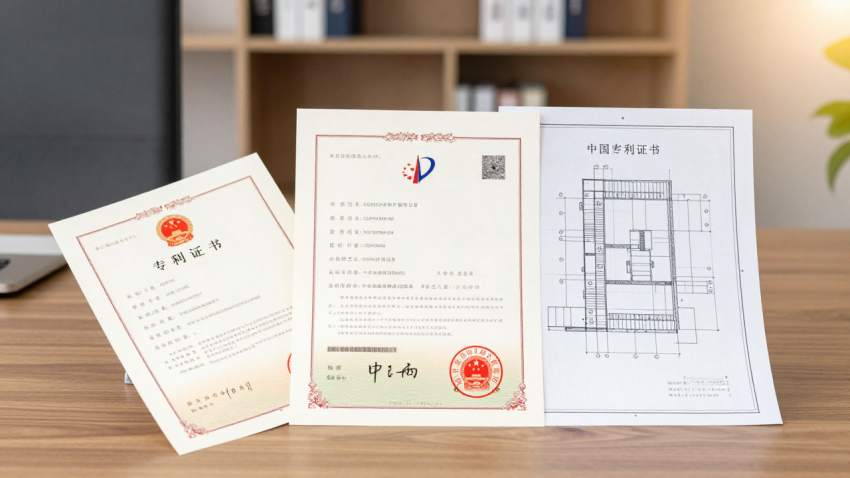
Chinese technology companies expanding into the US market need a comprehensive patent strategy that protects their innovations while managing the risk of infringement claims from competitors. The US patent system differs significantly from China's system, and understanding these differences is essential for effective portfolio management.
The US Patent System: Key Differences from China
The US patent system operates differently from China's system in several important respects. The United States grants patents on a first-inventor-to-file basis, similar to China, but maintains more rigorous standards for enablement, written description, and definiteness. US patent applications are published 18 months after filing, and third parties may submit prior art for consideration during prosecution. The duty of candour and good faith requires applicants and their representatives to disclose all known prior art and information material to patentability, a requirement more demanding than the comparable Chinese standard.
Chinese companies filing in the US must navigate these differences carefully. Patent applications drafted in Chinese must be translated into English by a qualified translator with technical expertise in the relevant field, as translation errors can create basis issues and limit claim scope. Working with US patent counsel who understand both the technical subject matter and the Chinese filing context is strongly recommended.
Building a US Patent Portfolio
A strategic US patent portfolio begins with a thorough assessment of the company's innovations, commercial objectives, and competitive landscape. Chinese companies should identify which inventions are most commercially important for the US market and prioritize those for US filing. Not every invention needs a US patent, and filing strategically conserves resources.
The US patent prosecution process involves filing a patent application with the USPTO, responding to office actions issued by patent examiners, and pursuing allowance through examiner interviews and appeal when necessary. The timeline from filing to issuance typically ranges from two to four years, though accelerated examination programs can shorten this period for qualifying applications.
Protecting Against Infringement Claims
Chinese companies entering the US market often face the risk of patent infringement claims. Conducting freedom to operate analyses before launching products in the US helps identify potential infringement risks and provides a basis for design around strategies or licensing negotiations. When asserted against by a competitor, Chinese companies have several options: challenging the validity of the asserted patent through inter partes review or post grant review at the Patent Trial and Appeal Board, negotiating a license, or defending the infringement suit on the merits.
Conclusion
A well-managed US patent program is a valuable business asset for Chinese technology companies competing in the American market. Michael Nguyen at Brown, Neri, Smith and Khan in Los Angeles advises Chinese technology clients on US patent prosecution and enforcement matters.
Managing Patent Costs
US patent prosecution can be expensive, particularly for Chinese companies filing their first US applications. Cost management strategies include conducting a thorough prior art search before filing to assess the likelihood of allowance, preparing a well drafted specification that anticipates examiner objections, responding to office actions promptly and efficiently, and considering the use of accelerated examination programs where the technology merits expedited processing. Chinese companies should obtain cost estimates from their US patent counsel before each phase of prosecution and approve in advance any work that exceeds the estimate.
The Patent Prosecution Highway offers a cost effective mechanism for obtaining US patent protection based on a corresponding application that has already been allowed in China or another participating patent office. By filing a PPH request, Chinese companies can obtain accelerated examination of their US application at reduced cost, often with a higher allowance rate than standard prosecution.
US Patent Infringement Risk Management
Chinese companies entering the US market should conduct freedom to operate analyses before introducing new products to identify potential patent infringement risks. When a risk is identified, options include designing around the patent, seeking a license from the patent owner, or challenging the validity of the patent through post grant review proceedings at the USPTO. Proactive risk management is significantly less expensive than defending an infringement lawsuit after product launch.
Working with a US Patent Attorney
Choosing the right US patent attorney is important for Chinese companies filing their first US patent applications. The attorney should have technical expertise in the relevant field of technology, experience working with Chinese clients, and a track record of successful prosecution at the USPTO. Many US patent firms have dedicated China practice groups or attorneys who speak Mandarin and understand the specific challenges that Chinese applicants face.
The patent attorney will work with the Chinese inventor or in house counsel to prepare the patent specification, drawings, and claims that will form the basis of the US application. The quality of the initial specification is one of the most important factors affecting the success of the patent application, as amendments during prosecution are limited to the subject matter disclosed in the original filing. Chinese companies should allocate sufficient time and resources to the preparation phase to ensure a strong foundation for the application.
Patent Term and Maintenance
US utility patents expire 20 years from the earliest effective filing date. Maintenance fees are due at 3.5 years, 7.5 years, and 11.5 years after the patent grant date. Failure to pay maintenance fees results in early expiration of the patent. Chinese companies with US patent portfolios should maintain a patent docketing system or engage a patent annuity service to ensure that maintenance fees are paid on time.
The Importance of Prior Art Searching
Conducting a thorough prior art search before filing a patent application is one of the most important steps in the patent process. A comprehensive search reveals the existing patents and published applications that are most relevant to the invention, allowing the patent attorney to draft claims that avoid the known prior art. This upfront investment in searching reduces the likelihood of receiving office action rejections and improves the chances that the application will be allowed without extensive amendment.
Chinese companies filing their first US patent applications should budget for a professional prior art search conducted by a qualified search firm with experience in their technology area. The cost of a thorough search is typically small compared to the total cost of patent prosecution and can save significantly more by reducing the number of office action responses needed during prosecution. The search results also provide valuable competitive intelligence about the patent landscape in the relevant technology area.
Patent Cooperation Treaty Applications
Chinese companies seeking patent protection in multiple countries including the United States may benefit from filing an international application under the Patent Cooperation Treaty. A PCT application allows the applicant to file a single international application that is recognized in over 150 member countries, preserving the ability to enter the national phase in each designated country within 30 or 31 months from the priority date. This approach provides additional time to assess the commercial value of the invention and to decide which countries to pursue for national phase entry.
The PCT process includes an international search conducted by a qualified searching authority that produces a written opinion on the patentability of the claimed invention. The search report and written opinion provide valuable information about the prior art and the prospects for obtaining patent protection in the national phase. Chinese companies can use this information to make informed decisions about whether to proceed with national phase entry in the United States and other countries.

Feel free to send us an email or drop a call for free consultation.